
Architectural Innovation in Action: As-Built Plans, 3D Modeling, and Permit Expertise
Introduction: Architecture at the Crossroads of Innovation
The architecture, engineering, and construction (AEC) industry has always been an evolving field. From hand-drawn blueprints on drafting tables to advanced parametric design software, innovation has shaped how professionals imagine, design, and build. In 2025, three pillars are at the core of architectural excellence in the United States: as-built plans, 3D architectural modeling, and building permit expertise.
Each of these elements plays a vital role. As-built drawings ensure accuracy after construction, 3D modeling allows architects and clients to visualize and refine designs before breaking ground, and building permit services guarantee compliance with local regulations while accelerating project timelines. Together, these three services are more than operational tasks; they are strategic advantages that fuel project success for homeowners, developers, and businesses.
This blog takes a deep dive into how these pillars intersect, how they serve residential and commercial markets, and how Unified Studio Architect and other architecture firms across the United States are using them to redefine client experiences.
Chapter 1: The Foundation of Accuracy – As-Built Plans
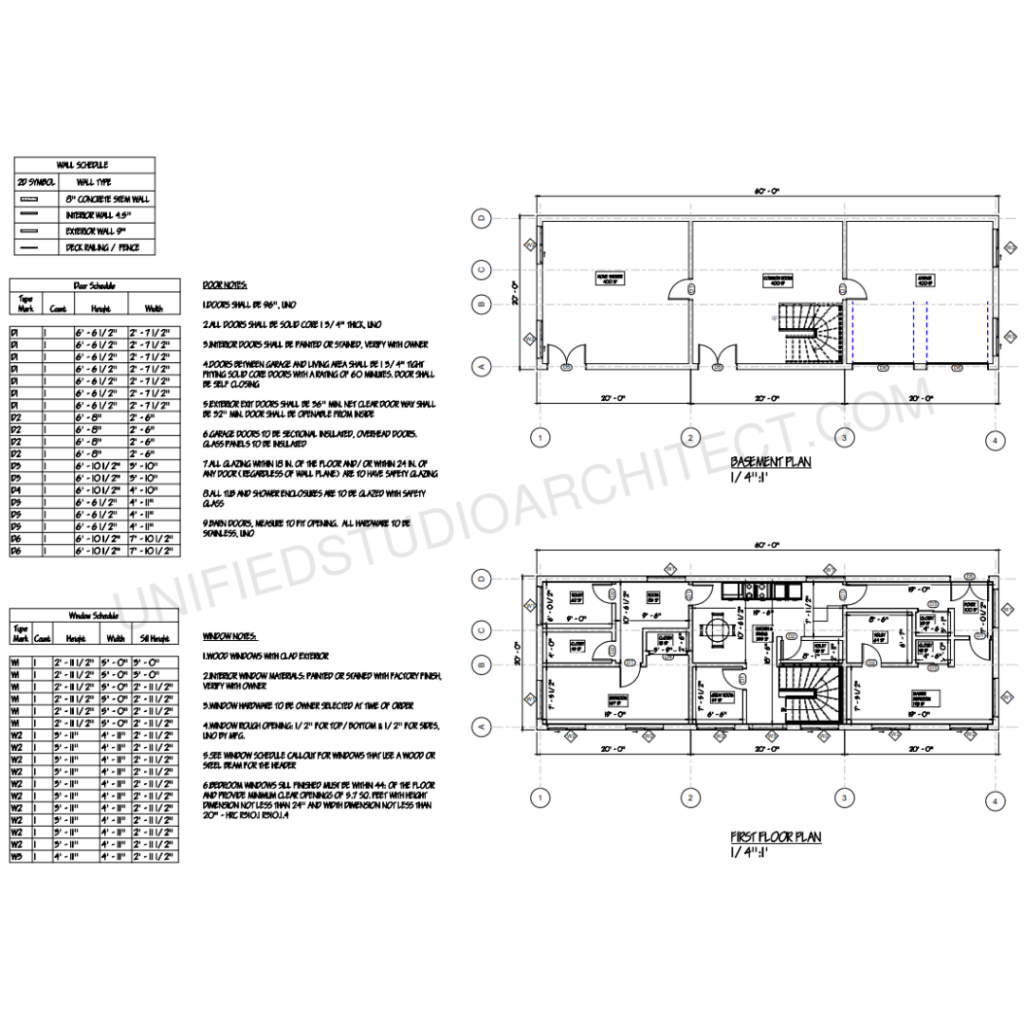
What Are As-Built Plans?
As-built drawings are the final record sets of a project. They capture every modification, field change, and construction adjustment made during the building process. Unlike initial design drawings, which represent intent, as-builts represent reality—a precise reflection of what was actually constructed.
These documents are crucial not just for closing out a project but for future renovations, facility management, and even property transactions. A developer in Texas, for example, cannot sell a commercial property without accurate as-built records. Similarly, a homeowner in Illinois planning a remodel must provide as-builts before applying for new permits.
The Value of As-Built Drawings in Modern Projects
- Accuracy for Renovations and Additions – Renovations often fail when designs are based on outdated drawings. As-builts eliminate guesswork.
- Legal and Compliance Requirements – Many municipalities, from Montgomery County, MD to Miami-Dade, FL, require submission of as-built sets for occupancy approvals.
- Facility Management and Operations – Universities, hospitals, and corporate campuses use as-builts as reference documents for long-term facility maintenance.
- Insurance and Risk Management – In disputes or claims, as-builts provide evidence of what was constructed, protecting both owners and architects.
As-Built Services in Action
Unified Studio Architect has delivered as-built services across states like Texas, Illinois, Maryland, Georgia, and Florida. Each region poses unique challenges:
- Texas – Homes in Austin and Dallas often undergo large-scale renovations, making precise as-builts indispensable.
- Illinois – Chicago’s historic buildings require detailed as-builts before preservation or adaptive reuse projects.
- Florida – Hurricane-resistant construction requires exact records to prove code compliance.
- Maryland – Strict permitting jurisdictions demand final record drawings before approvals.
Chapter 2: 3D Architectural Modeling – Visualizing the Future
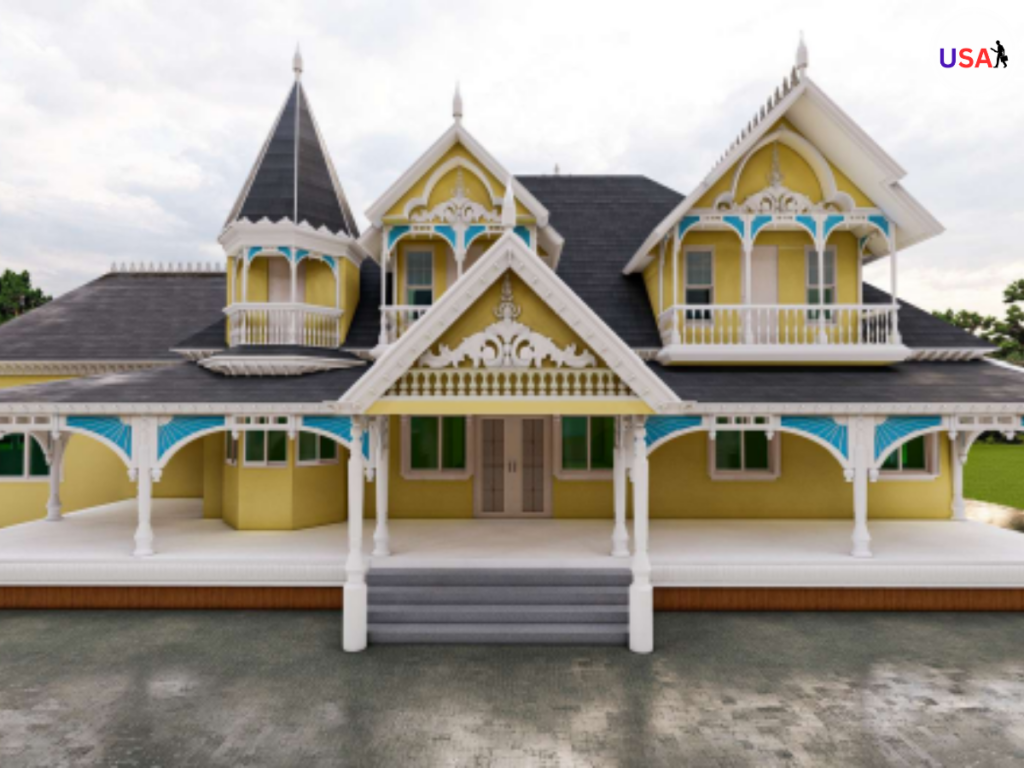
Why 3D Modeling Has Become Essential
3D architectural modeling is no longer a luxury—it’s the industry standard. With powerful tools like Revit, Rhino, and AI-assisted generative design platforms, architects can create immersive digital representations of buildings before construction.
Clients benefit from real-time walkthroughs, flyovers, and photorealistic renderings. Stakeholders can detect design flaws, understand spatial relationships, and make informed decisions without waiting for physical mock-ups.
Key Benefits of 3D Modeling
- Enhanced Visualization – Clients see exactly what their finished space will look like.
- Clash Detection – Engineers identify conflicts between mechanical, electrical, and structural elements before construction begins.
- Cost Savings – Early issue detection avoids costly field changes.
- Marketing Advantage – Developers use 3D renderings to pre-sell condos, lease commercial spaces, and attract investors.
- Sustainability – Energy modeling and daylighting analysis enable greener designs.
Residential vs. Commercial 3D Modeling
- Residential Projects – Homeowners love walkthroughs that showcase kitchen layouts, bathroom finishes, and landscaping before committing to construction.
- Commercial Projects – Office towers, mixed-use buildings, and retail centers rely on 3D models to coordinate massive teams and investors.
Case Example
A retail developer in Atlanta used 3D modeling to redesign a shopping complex. The initial layout didn’t account for traffic flow. By simulating real-world movement through a 3D environment, the team revised the entry points and tenant positioning—saving millions in potential lost revenue.
Chapter 3: Navigating Building Permits – The Critical Path to Construction
Why Permit Services Are Essential
Even the best designs cannot proceed without permits. Every city and county in the U.S. has specific codes and review processes. Permits ensure buildings are safe, accessible, and sustainable. However, securing them can be overwhelming without professional support.
Common Types of Building Permits
- Residential Building Permits – For new homes, additions, remodels, and accessory dwelling units (ADUs).
- Commercial Building Permits – Required for office spaces, warehouses, retail stores, and restaurants.
- Specialty Permits – Cover mechanical, electrical, plumbing, energy, and accessibility requirements.
Regional Challenges
- Texas – Austin’s expedited review program accelerates permits for sustainable projects but requires exact documentation.
- Illinois – Chicago’s building department enforces strict codes for high-rises and historic renovations.
- Florida – Coastal counties enforce hurricane impact codes.
- Maryland – Montgomery County uses the COMBUILD system, requiring detailed coordination with multiple reviewers (mechanical, energy, HHS).
- Georgia – Atlanta’s mixed-use boom means permits often involve complex zoning reviews.
The Advantage of Professional Permit Services
Architects who handle permits streamline approval. They:
- Submit accurate, code-compliant drawings.
- Respond quickly to review comments.
- Coordinate with engineers and contractors.
- Track timelines to avoid costly delays.
Chapter 4: Integration – How As-Builts, 3D Models, and Permits Work Together
No single service operates in isolation. The best architectural outcomes happen when as-built plans, 3D modeling, and permit expertise work hand in hand:
- As-Builts Feed Permits – Renovations require accurate as-builts for new submissions.
- 3D Models Support Permits – Digital renderings clarify designs for review boards.
- Permits Protect As-Builts – Approved permits ensure the final as-built records reflect compliant construction.
This integration results in fewer errors, faster approvals, and better client satisfaction.
Chapter 5: Technology and Trends Shaping the Future
- AI-Powered Design – Generative AI creates multiple design options in seconds.
- BIM Integration – Building Information Modeling ensures all disciplines work off the same digital file.
- Virtual Reality (VR) – Clients walk through projects before a shovel hits the ground.
- 3D Printing in Construction – From homes in Texas to experimental projects in California, 3D printing is no longer futuristic.
- Sustainability and Net-Zero Design – Federal and state incentives drive adoption of green building practices.
Chapter 6: Case Studies
Residential Addition – Cos Cob, CT
Unified Studio Architect produced full as-builts, 3D models, and permit-ready sets for a home renovation. Accurate as-builts ensured the design respected existing conditions, while 3D models helped the client choose finishes. The project sailed through permitting with no delays.
Commercial Project – Montgomery County, MD
For a restaurant project, the permit process required responses to mechanical, energy, structural, and health department reviews. Coordinated documentation avoided costly resubmissions.
Large-Scale Residential – Austin, TX
A luxury residence required HOA approvals. Unified Studio Architect delivered architectural, structural, and electrical drawings, responding to HOA comments until approvals were secured.
Chapter 7: Where These Services Matter
Unified Studio Architect provides services across the U.S., with strong focus in:
- Texas – Austin, Dallas, Houston, San Antonio
- Illinois – Chicago, Springfield, Naperville, Rockford
- Florida – Miami, Orlando, Tampa, Jacksonville
- Georgia – Atlanta, Savannah, Augusta
- Maryland – Baltimore, Silver Spring, Rockville, Montgomery County
Clients searching “architect near me,” “residential architect in Texas,” or “commercial architect Maryland” find tailored solutions.
Q1: What are as-built drawings and why are they important?
They document actual built conditions for accuracy in future renovations and compliance.
Q2: How do I find an architect near me who handles permits?
Look for architects with proven local experience. Unified Studio Architect handles multi-state compliance.
Q3: What’s the difference between design drawings and as-builts?
Design drawings show what’s planned; as-builts show what’s built.
Q4: Do commercial projects require special permits?
Yes — ADA, energy codes, and sometimes health department approvals.
Q5: What services are included in architectural 3D modeling?
Interior visualization, exterior rendering, and immersive virtual walkthroughs.
Q6: How do permit drawings speed up approvals?
By addressing codes upfront, they reduce reviewer comments and delays.
Conclusion: Innovation in Action
In today’s architecture, innovation means integration. From as-built drawings that capture real conditions, to 3D models that bring designs to life, to permit-ready plans that navigate complex codes — every stage matters.
Clients searching for as built plans, architectural 3D modeling services, architect permit drawings, or architect near me are really searching for one thing: architectural expertise they can trust.
At Unified Studio Architect, we combine creativity, technology, and regulatory knowledge to deliver projects that are accurate, compliant, and future-ready.
Whether you’re in Marietta, GA, Texas, Florida, Maryland, or anywhere across the U.S., our team ensures that your vision moves smoothly from concept to completion.