
Landscape Architecture Designing in the USA: A Complete Guide by Unified Studio Architect

Introduction: The Art and Science of Landscape Architecture
Landscape architecture designing is far more than planting flowers or arranging outdoor furniture—it’s a strategic blend of art, science, and functionality. In the United States, where urban growth, climate diversity, and sustainability are driving design priorities, landscape architects are shaping spaces that are both beautiful and environmentally responsible.
From intimate residential gardens in suburban neighborhoods to large-scale public parks and commercial campuses, landscape architecture enhances aesthetics, promotes ecological health, and improves usability. At Unified Studio Architect, we approach each project with creativity, technical expertise, and a focus on long-term sustainability.
Understanding the principles and benefits of landscape architecture can help homeowners, businesses, and city planners create outdoor spaces that inspire, endure, and add value.
What is Landscape Architecture Designing?
Landscape architecture designing is the planning, designing, and management of outdoor environments, integrating natural elements such as plants, water, and topography with constructed features like pathways, plazas, seating, and lighting. Unlike traditional gardening, this discipline requires a multidisciplinary approach, drawing expertise from:
- Architecture: Aligning landscapes with building aesthetics and functionality.
- Urban Planning: Ensuring public and private spaces serve communities effectively.
- Ecology & Sustainability: Reducing environmental impact while enhancing biodiversity.
- Engineering: Handling drainage, grading, accessibility, and structural considerations.
A comprehensive landscape design ensures every space fulfills its intended purpose, whether it’s boosting curb appeal, creating habitats in urban areas, or attracting visitors to commercial properties.
Why Landscape Architecture Matters in the USA
With expanding cities, growing suburbs, and heightened environmental awareness, landscape architecture is a core component of modern U.S. design. Its importance includes:
- Increasing Property Value
Professionally designed landscapes can raise property resale value by up to 20%, providing a measurable return on investment. - Supporting Sustainability
Designs incorporating rain gardens, native plants, and energy-efficient lighting help conserve resources and reduce environmental footprints. - Enhancing Community Well-being
Public parks, urban greenways, and plazas create spaces for relaxation, socialization, and physical activity. - Reducing Environmental Impact
Smart landscaping can manage stormwater, reduce urban heat islands, and promote biodiversity.
From small residential plots to expansive commercial developments, landscape architecture is shaping livable, sustainable, and visually appealing environments across the USA.
Residential Landscape Architecture Designing
For homeowners, landscape architecture transforms ordinary yards into functional, beautiful outdoor living areas.
Key Elements of Residential Design
- Front Yard Landscaping: Create welcoming entryways with planting beds, walkways, lighting, and decorative elements.
- Backyard Design: Outdoor kitchens, patios, decks, fire pits, and entertainment spaces for family gatherings.
- Native & Low-Maintenance Plants: Reduce upkeep and thrive in local climates.
- Water Features: Fountains, ponds, or swimming pools for visual and sensory appeal.
- Privacy Landscaping: Trees, hedges, and screens for comfort and seclusion.
Regional Considerations
- West Coast: Drought-tolerant designs with succulents, native grasses, and xeriscaping.
- South & Southeast: Tropical and subtropical plants suitable for humid climates.
- Northeast: Hardy perennials and evergreen screens to withstand winters.
- Midwest: Functional lawns, rain gardens, and native prairie grasses for seasonal variation.
A thoughtfully designed residential landscape enhances aesthetics, provides a personal retreat, and adds tangible value.
Commercial Landscape Architecture Designing
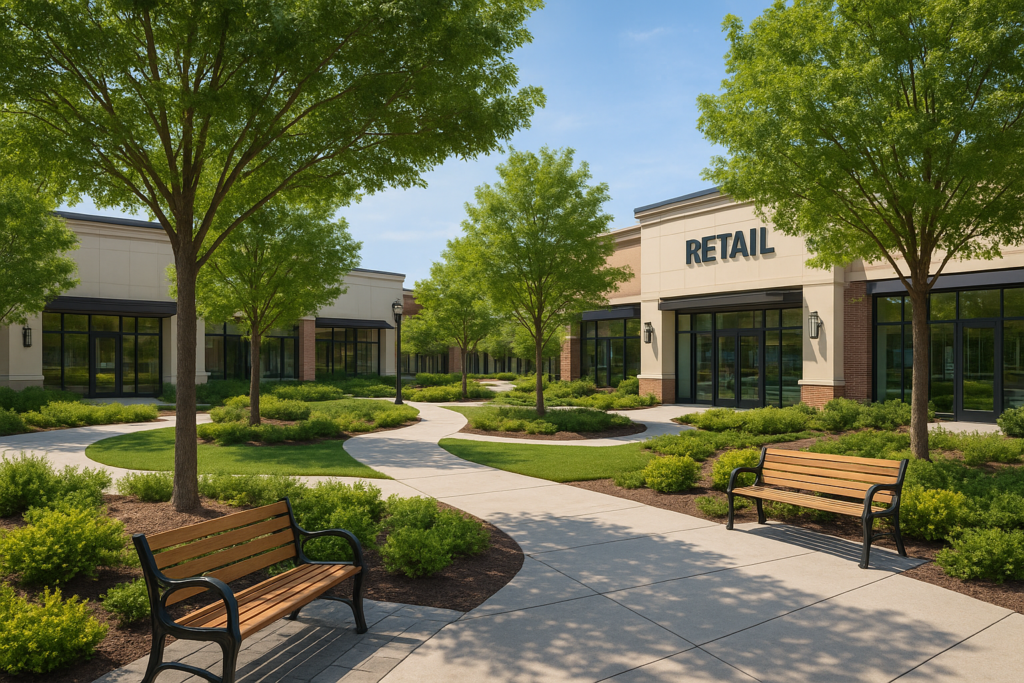
For businesses, the landscape is often the first impression customers and clients experience.
Benefits for Commercial Properties
- Attracts Clients and Tenants: Professional landscaping conveys quality and credibility.
- Employee Well-being: Green spaces reduce stress and improve productivity.
- Functional Outdoor Areas: Courtyards, patios, and walking paths increase usability.
- Sustainable Branding: Eco-friendly designs communicate environmental responsibility.
Example Applications:
- Retail complexes with shaded walkways encourage longer visits.
- Corporate campuses with outdoor seating and gardens boost workplace satisfaction.
- Hotels and resorts use landscaping to enhance guest experience and brand identity.
Urban Landscape Architecture and Public Spaces
In urban settings, landscape architects play a pivotal role in enhancing city livability.
Key Urban Strategies
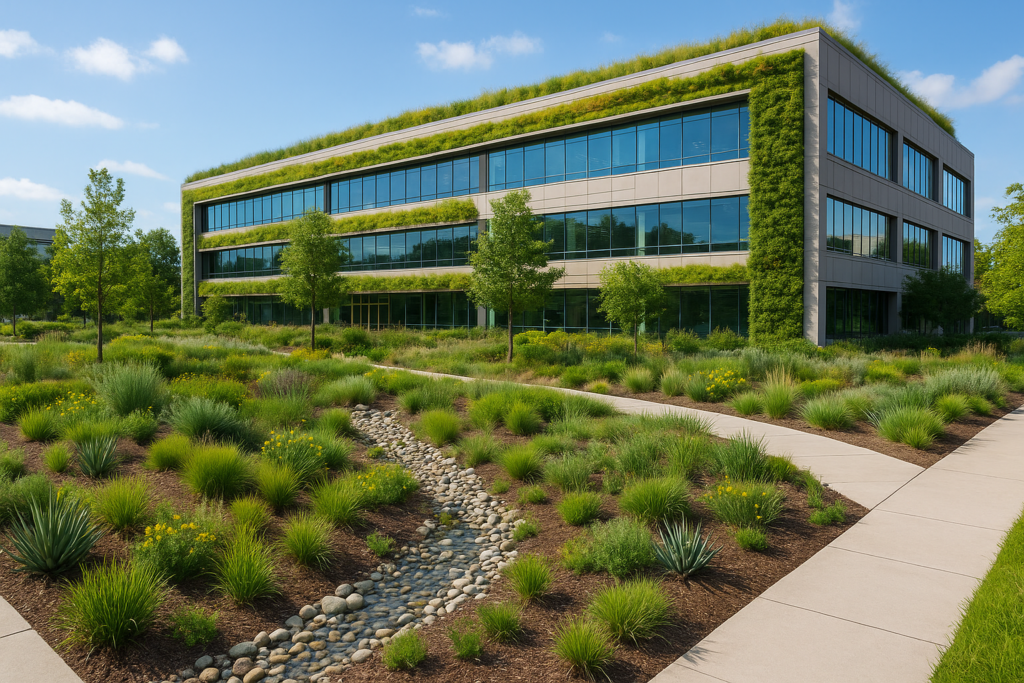
- Green Infrastructure: Bioswales, permeable pavements, and rain gardens manage stormwater and reduce flooding.
- Urban Parks & Plazas: Create recreational, cultural, and social spaces for communities.
- Streetscape Design: Sidewalks, lighting, benches, and trees improve pedestrian experience.
- Revitalization Projects: Transform abandoned lots into community gardens or green corridors.
Well-designed public landscapes reduce urban heat islands, improve air quality, and foster social connections, contributing to healthier and more resilient cities.
Sustainable Landscape Architecture Designing
Sustainability is central to modern U.S. landscape design. Unified Studio Architect integrates eco-friendly practices while maintaining functionality and beauty.
Sustainable Strategies
- Native & Drought-Tolerant Plants: Reduce water consumption and maintenance.
- Smart Irrigation Systems: Sensor-based watering and drip systems optimize water use.
- Green Roofs & Living Walls: Improve insulation and air quality.
- Rainwater Harvesting: Capture and reuse stormwater for irrigation.
- Low-Maintenance Materials: Recycled pavers, composites, and eco-friendly lighting solutions.
U.S. Incentives & Programs
- LEED Certification: Recognizes environmentally responsible designs.
- State Rebates: Some states offer rebates for water-efficient irrigation or green roofs.
- Stormwater Management Credits: Cities like Portland, Seattle, and Austin incentivize green infrastructure.
Sustainable landscapes thrive naturally while reducing operational costs and environmental impact.
The Landscape Architecture Designing Process
A structured process ensures successful outcomes for every project.
- Site Analysis: Soil, climate, topography, and existing vegetation evaluation.
- Conceptual Design: Layout sketches, planting schemes, and preliminary feature placement.
- 3D Visualization: Realistic renderings for client review and adjustments.
- Construction Drawings: Detailed plans for contractors, including permits and compliance.
- Implementation & Supervision: Ensuring the final construction matches the design vision.
- Maintenance Planning: Strategies for long-term care and sustainability.
This approach ensures customized, functional, and aesthetically appealing landscapes.
Challenges in U.S. Landscape Architecture Designing
Designing across the United States comes with unique challenges:
- Climate Diversity: Arid deserts, humid subtropics, and snowy northern regions require specialized plant and material selection.
- Regulatory Compliance: Local zoning, environmental codes, and building regulations vary by state.
- Sustainability Requirements: LEED, WELL, and other certifications require thoughtful planning.
- Budget Constraints: Balancing creativity with affordability is essential.
- Urbanization Pressures: Creating green spaces in dense cities requires innovative design solutions.
Unified Studio Architect navigates these challenges with creative, compliant, and cost-effective solutions.
Trends in Modern Landscape Architecture Designing (2025)
The field is evolving to meet lifestyle, technology, and sustainability demands. Current trends include:
- Outdoor Living Spaces: Fire pits, outdoor kitchens, and lounges.
- Smart Landscapes: Automated irrigation, lighting, and environmental monitoring.
- Pollinator Gardens: Attracting bees, butterflies, and birds to promote biodiversity.
- Edible Landscapes: Fruit trees, vertical herb gardens, and community vegetable plots.
- Minimalist & Contemporary Designs: Clean lines, limited plant palettes, and bold architectural accents.
These trends reflect a balance of functionality, beauty, and environmental responsibility.
How Unified Studio Architect Can Help You
As a U.S.-focused firm, Unified Studio Architect offers comprehensive landscape architecture services for residential, commercial, and urban projects:
- Customized Designs: Tailored to client vision and site specifics.
- Permit-Ready Drawings: Smooth approvals across all states.
- Eco-Friendly Solutions: Aligned with U.S. sustainability initiatives.
- Technology Integration: 3D modeling, BIM, and VR previews.
- Nationwide Coverage: Serving clients across all U.S. states.
Our mission is to deliver landscapes that inspire, endure, and create measurable value.
FAQs on Landscape Architecture Designing in the USA
Q1: What is the difference between a landscaper and a landscape architect?
A landscaper focuses on planting and maintenance, while a landscape architect designs entire outdoor environments, integrating aesthetics, functionality, and sustainability.
Q2: How much does landscape architecture cost in the USA?
Residential projects typically range from $3,000–$15,000; commercial or urban projects may exceed $100,000 depending on complexity.
Q3: Do I need permits for landscaping in the USA?
Yes, permits may be required for hardscaping, retaining walls, drainage systems, and certain water features. Unified Studio Architect prepares permit-ready drawings for compliance.
Q4: What sustainable landscaping options are popular in the U.S.?
Native planting, rain gardens, xeriscaping, green roofs, smart irrigation, and permeable pavements are leading solutions.
Q5: Can landscape design increase property value?
Yes. Professional landscaping can increase property value by 15–20% and enhance curb appeal.
Q6: Which U.S. regions require specific landscape design approaches?
- West Coast: drought-tolerant xeriscaping
- Southeast: tropical/subtropical plants
- Northeast: hardy perennials for winter
- Midwest: native prairie grasses and rain gardens
Q7: How do I maintain a sustainable landscape?
Use native plants, install smart irrigation, apply mulch, and schedule seasonal maintenance.
Conclusion
Landscape architecture designing is more than aesthetics—it’s about creating environments that enhance quality of life, promote sustainability, and add measurable value.
Whether you are a homeowner seeking a backyard retreat, a business enhancing curb appeal, or a city planner designing public spaces, Unified Studio Architect is your trusted partner.
We combine creativity, technical expertise, and sustainable practices to deliver landscapes that endure, inspire, and perform.
👉 Ready to transform your outdoor space? Contact Unified Studio Architect today for expert landscape architecture designing services across the USA.