
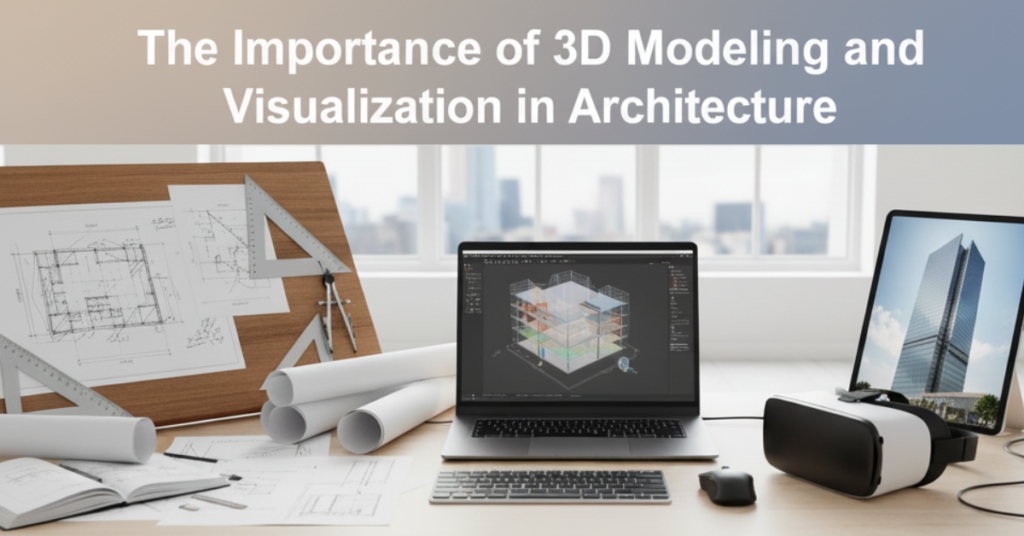
The Importance of 3D Modeling and Visualization in Architecture
Introduction
Architecture has always been about turning imagination into reality. From ancient civilizations sketching early structures to Renaissance innovations in perspective, design has constantly evolved with new tools. In the modern era, one of the biggest transformations has been the rise of 3D modeling and architectural visualization.
For firms like Unified Studio Architect, these tools are not just additions to the design workflow — they are central to delivering projects that are precise, cost-effective, and client-focused. With 3D visualization, Unified Studio Architect helps clients experience their buildings long before construction begins, ensuring clarity, confidence, and collaboration at every stage.
This blog explores why 3D modeling and visualization are so important in architecture, how Unified Studio Architect leverages them, and what future trends will continue to shape the industry.
What is 3D Modeling in Architecture?
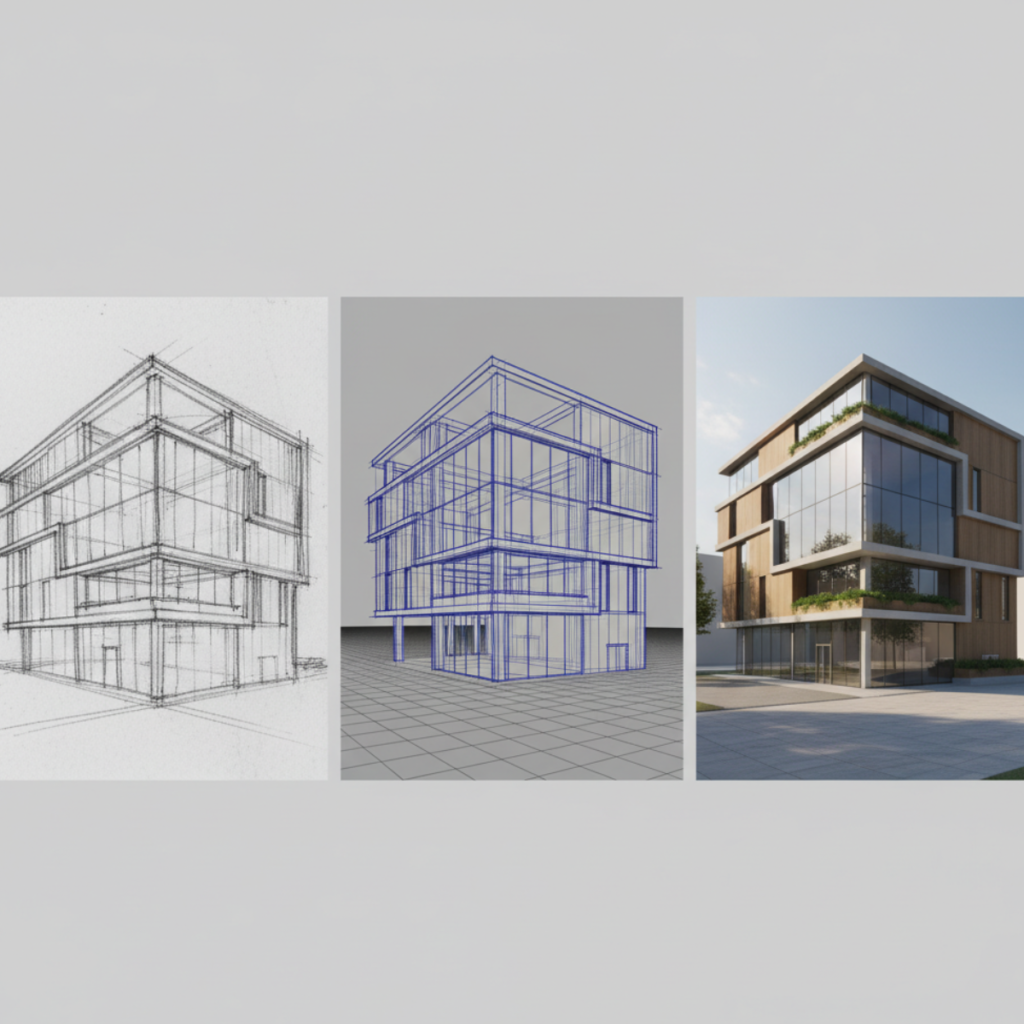
3D modeling in architecture is the creation of digital, three-dimensional representations of buildings, interiors, and landscapes. Unlike traditional 2D drawings that show height and width only, 3D models bring in depth, scale, and realistic proportions.
At Unified Studio Architect, 3D modeling is used from the earliest conceptual sketches to the final construction-ready models. This approach ensures that every wall, roofline, window, and interior detail is not only visualized but also analyzed for accuracy and performance.
Key Features of 3D Modeling
- Accurate geometry and scale.
- Rapid testing of multiple design alternatives.
- Real-time updates across all drawings when modifications occur.
- Integration with BIM (Building Information Modeling).
Software commonly used includes Revit, SketchUp, Rhino, ArchiCAD, and AutoCAD. Unified Studio Architect employs these tools strategically depending on the scope and complexity of each project.
What is Architectural Visualization?
While 3D modeling creates the structure, architectural visualization brings it to life. Through advanced rendering and immersive technology, visualization translates models into experiences that clients can see and feel.
Unified Studio Architect specializes in producing:
- Photo-realistic renderings that mimic real-world lighting and materials.
- Animated walkthroughs for exploring spaces before they are built.
- VR and AR experiences that let clients walk through their designs virtually or overlay them on real sites.
- Interactive 360° panoramas for remote project reviews.
Visualization helps Unified Studio Architect communicate design intent clearly, making the process smoother for homeowners, developers, and institutional clients alike.
Why 3D Modeling and Visualization are Important in Architecture
1. Clear Communication of Design Intent
Clients often find 2D plans confusing. Unified Studio Architect uses 3D visualization to eliminate ambiguity, ensuring that every client — whether a first-time homeowner or a seasoned developer — fully understands the proposed design.
2. Accuracy and Precision
Through clash detection and parametric modeling, Unified Studio Architect reduces errors during the design stage. This accuracy prevents costly site issues, saving clients both money and time.
3. Time and Cost Savings
Industry studies show that 3D modeling and BIM can cut project costs by 10–20%. Unified Studio Architect applies these practices to streamline workflows, accelerate approvals, and reduce construction change orders.
4. Client Engagement and Approval
Visualization empowers clients to make informed choices. Unified Studio Architect offers material previews, finish comparisons, and immersive tours that help clients feel confident in their design decisions.
5. Enhanced Collaboration
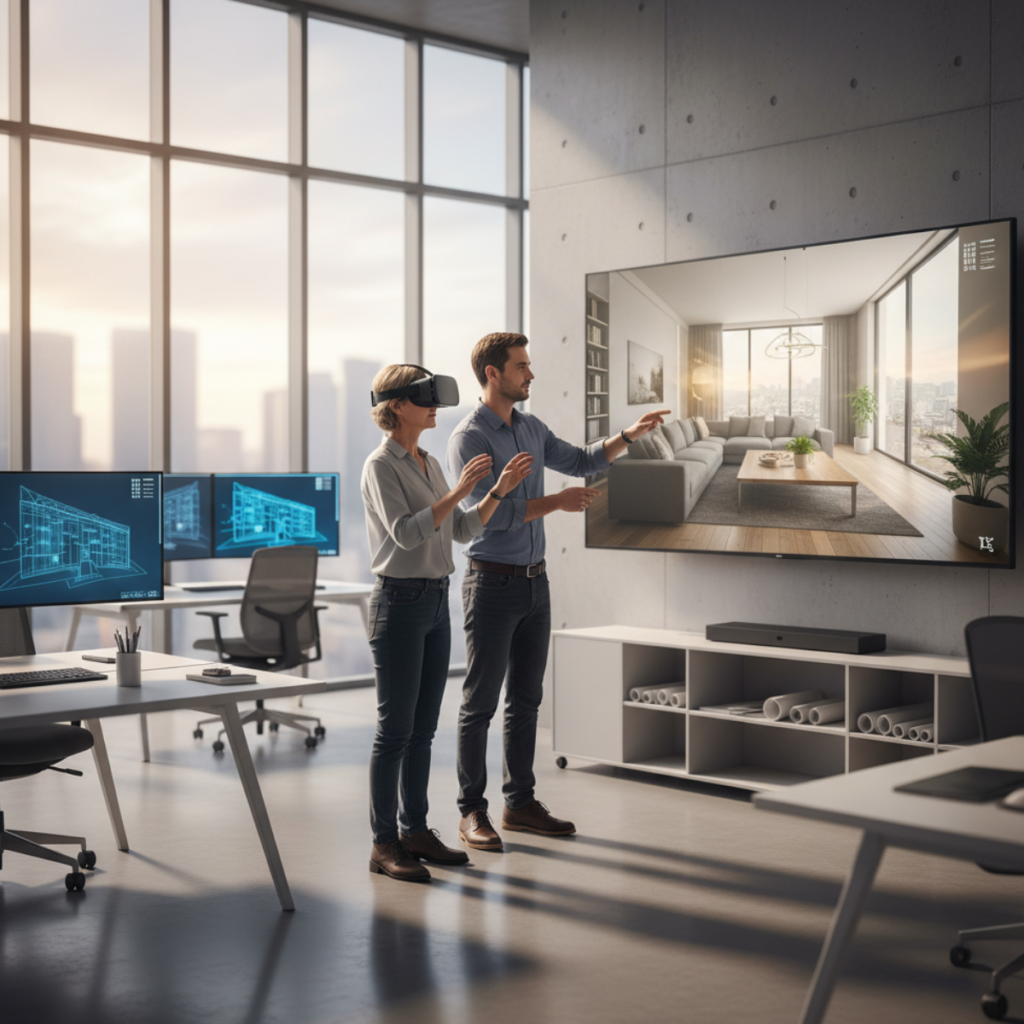
Every project involves multiple stakeholders. Unified Studio Architect’s 3D modeling workflows integrate seamlessly across teams, ensuring architects, engineers, contractors, and clients work from the same source of truth.
6. Marketing and Sales Advantage
For developers, Unified Studio Architect creates high-quality renderings and videos that can be used for sales and investor presentations. These visuals often secure funding and pre-sales before a project breaks ground.
Benefits of Choosing Unified Studio Architect for 3D Modeling
- Realistic models that reflect actual building performance.
- Faster design iterations with fewer manual errors.
- Integration with energy and sustainability simulations.
- Transparent cost and material estimates.
- Consistent documentation across the design lifecycle.
Benefits of Architectural Visualization with Unified Studio Architect
- Lifelike previews of interiors and exteriors.
- Virtual tours for immersive client experiences.
- Improved decision-making for finishes, lighting, and layouts.
- Stronger marketing visuals for real estate and development projects.
- Flexible presentation formats for stakeholder approval.
Practical Applications Across Project Types
Residential Design
Unified Studio Architect helps homeowners preview their dream houses in 3D, test material palettes, and make informed layout choices before construction begins.
Commercial Developments
For office complexes, retail centers, and mixed-use projects, Unified Studio Architect provides visualization that helps secure tenants and investors.
Institutional Projects
Hospitals, schools, and civic buildings often involve large teams and strict regulations. Unified Studio Architect’s 3D modeling streamlines communication and ensures compliance.
Urban Planning
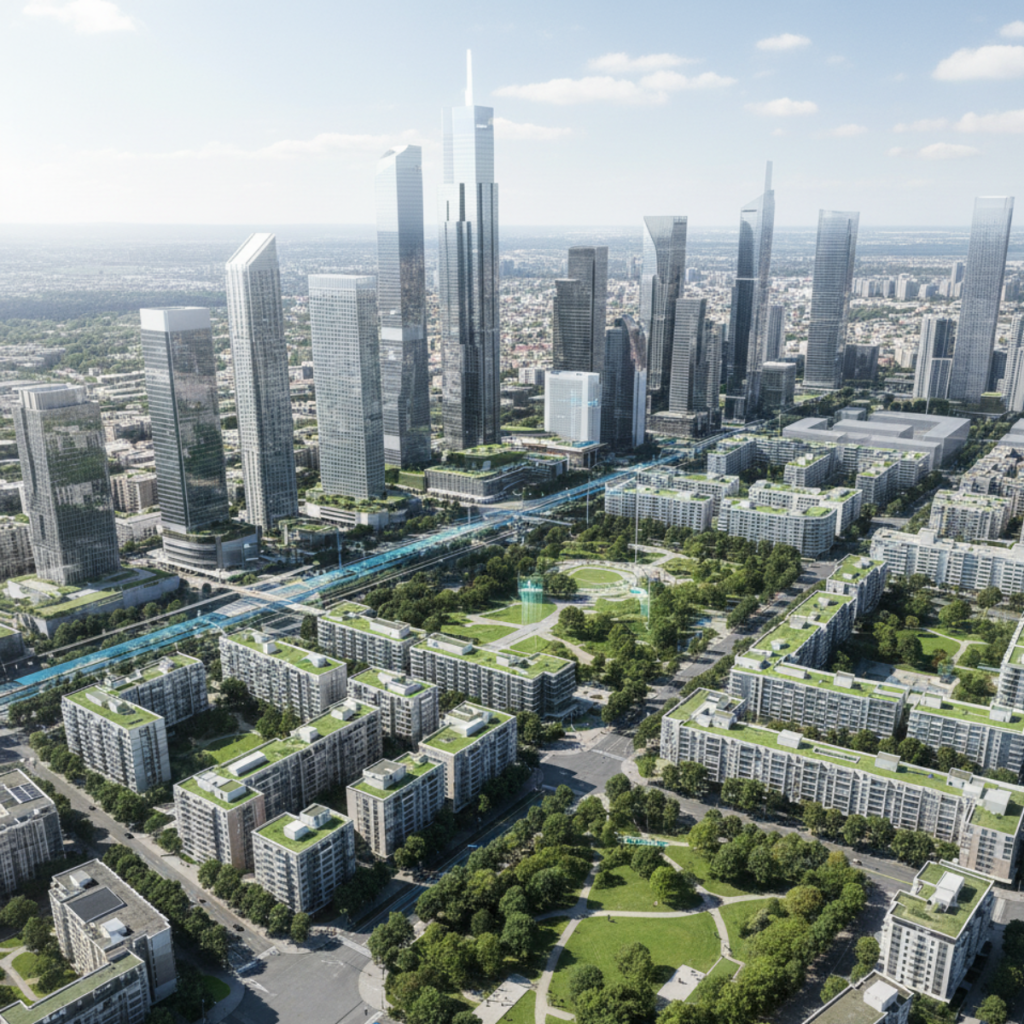
The firm has experience visualizing larger developments such as city blocks and neighborhoods, analyzing traffic flows, zoning issues, and environmental impact.
Heritage and Restoration
By digitizing existing structures, Unified Studio Architect supports accurate preservation strategies for culturally significant sites.
Technology at Unified Studio Architect
- Revit & ArchiCAD: BIM-based modeling for data-rich designs.
- SketchUp & Rhino: Fast concept development.
- 3ds Max + V-Ray / Corona: High-quality photo-realistic renderings.
- Lumion, Enscape, Twinmotion: Real-time rendering and VR walkthroughs.
- Grasshopper: Parametric and generative design workflows.
Unified Studio Architect’s technology stack ensures efficiency, accuracy, and visually stunning results for every project.
Future of 3D Modeling and Visualization
Unified Studio Architect stays at the forefront of emerging trends, including:
- AI-driven rendering for instant photorealism.
- Cloud collaboration for distributed teams.
- Generative design powered by algorithms.
- Sustainability simulations integrated with 3D models.
- Metaverse-ready environments for showcasing projects digitally.
Case Example: The Power of Visualization
In one recent development project, Unified Studio Architect used 3D modeling and visualization to showcase a mixed-use complex. Instead of presenting only technical drawings, the team prepared:
- Renderings of the building within its urban skyline.
- Day/night lighting simulations.
- VR walkthroughs for investors.
The result? Faster approvals, enthusiastic investors, and fewer construction-stage issues — demonstrating how visualization directly improves project outcomes.
Frequently Asked Questions (FAQs)
1. What makes Unified Studio Architect’s 3D modeling different?
The firm integrates BIM with visualization, ensuring models are both visually engaging and data-rich for construction accuracy.
2. Do clients need technical knowledge to use 3D models?
No. Unified Studio Architect presents models in intuitive formats like renderings, walkthroughs, and VR tours.
3. Can 3D modeling reduce construction delays?
Yes. By identifying design conflicts early, Unified Studio Architect prevents costly on-site rework.
4. Is architectural visualization only for large projects?
Not at all. Unified Studio Architect uses 3D tools for everything from home renovations to large commercial complexes.
5. What future technologies is the firm adopting?
AI-powered rendering, VR/AR, sustainability simulations, and digital twin technology.
Conclusion
The importance of 3D modeling and visualization in architecture cannot be overstated. These tools have transformed the way architects design, clients approve, and contractors build.
At Unified Studio Architect, 3D modeling and visualization are central to delivering projects that are accurate, cost-effective, and future-ready. From residential homes to large-scale commercial developments, the firm leverages advanced tools to ensure clarity, collaboration, and confidence for every client.
In today’s fast-paced architectural landscape, working with a firm that prioritizes 3D visualization isn’t just a luxury — it’s a necessity. Unified Studio Architect continues to lead the way, blending creativity with cutting-edge technology to shape the future of architecture.