

The Role of Architects in Value Engineering: Reducing Construction Costs Without Sacrificing Quality
Introduction
Construction costs in the United States have been steadily increasing due to rising material prices, labor shortages, and stricter building codes. For developers, realtors, contractors, and homeowners, managing budgets without sacrificing design quality or safety is increasingly challenging.
Value engineering (VE) offers a solution: a structured approach to optimize the functionality of a building while minimizing unnecessary expenses. Architects play a central role in VE because their design decisions influence most construction costs, from materials and structural systems to energy efficiency and long-term maintenance.
In this comprehensive guide, we’ll explore:
- The definition and purpose of value engineering in construction.
- How architects contribute to cost-saving measures without lowering quality.
- Techniques and strategies used in residential, commercial, and institutional projects.
- Case studies and real-world examples from across the U.S.
- Actionable steps for architects, contractors, and project owners to implement VE successfully.
By understanding the architect’s role in value engineering, firms can reduce costs, accelerate project timelines, and achieve higher client satisfaction.
Table of Contents
- Understanding Value Engineering in Construction
- Why Architects Are Central to Value Engineering
- Key Value Engineering Strategies by Architects
- Material Selection and Innovative Design Solutions
- Balancing Code Compliance and Cost Efficiency
- Life-Cycle Cost Analysis: Beyond Upfront Savings
- Collaborative Value Engineering: Architects, Contractors, and Engineers
- Value Engineering in Residential Projects
- Value Engineering in Commercial Construction
- Value Engineering in Institutional Projects
- Case Studies: Real-World Value Engineering Successes
- Common Pitfalls and How to Avoid Them
- Technological Tools Supporting Architects in VE
- Steps to Implement Value Engineering on U.S. Projects
- Local and Regional Considerations for Cost Optimization
- Conclusion: Maximizing Value Without Sacrificing Quality
1. Understanding Value Engineering in Construction
Value engineering is a systematic process that focuses on optimizing the function and cost of a building. Unlike cost-cutting, VE ensures that the project’s quality, safety, and functionality remain intact.
Key objectives of value engineering include:
- Identifying unnecessary costs without impacting functionality.
- Streamlining construction methods and material choices.
- Improving energy efficiency and operational performance.
- Enhancing long-term durability and reducing maintenance.
In practice, VE is applied at multiple stages of the project, from conceptual design to detailed construction documents. Architects lead VE initiatives because their design decisions determine over 60% of project costs.
2. Why Architects Are Central to Value Engineering
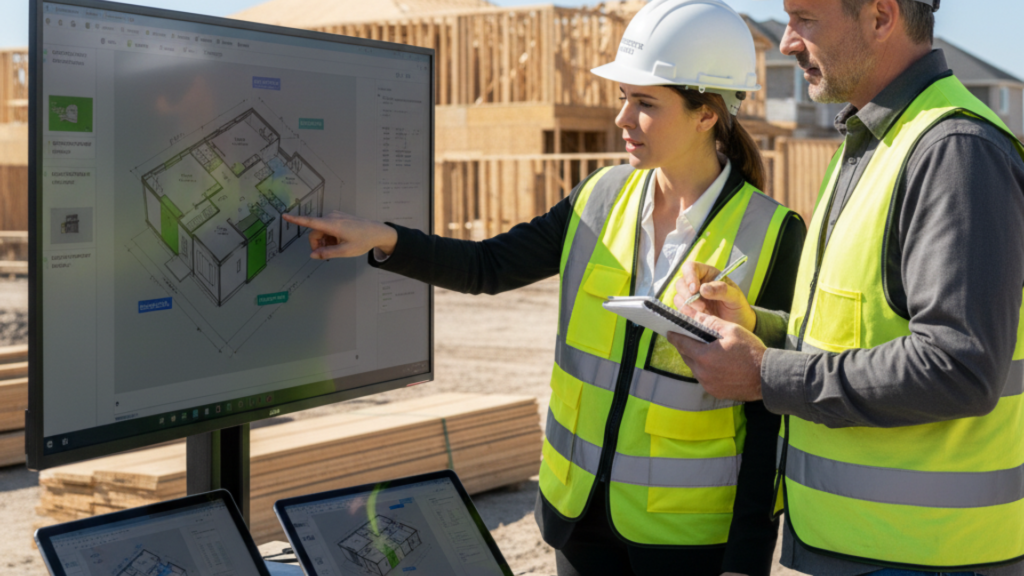
Architects are uniquely positioned to guide VE because they combine:
- Creative problem-solving skills
- Knowledge of codes and regulations
- Understanding of construction methods
- Experience with material performance and sustainability
Their contributions include:
- Early-stage budget alignment: Architects influence project costs before design decisions lock in.
- Constructability reviews: Ensuring designs are practical and cost-effective.
- Material optimization: Selecting durable yet affordable alternatives.
- Energy-efficient designs: Reducing long-term operational costs.
Without architect-led VE, projects often experience cost overruns, design rework, and inefficiencies, even if contractors attempt cost savings later.
3. Key Value Engineering Strategies by Architects
Architects employ several strategies to achieve VE goals:
Strategy 1: Simplified Building Design
- Reducing complex geometry lowers labor, formwork, and materials costs.
- Standardizing window and door sizes minimizes fabrication expenses.
Strategy 2: Efficient Space Planning
- Designing multi-purpose spaces reduces square footage needs.
- Optimizing circulation areas prevents wasted space and lowers material costs.
Strategy 3: Modular & Prefabricated Components
- Using modular bathrooms, prefabricated wall panels, and standardized structural grids cuts labor and construction time.
Strategy 4: Sustainable Design Choices
- Passive solar orientation reduces energy demand.
- Efficient insulation and low-maintenance materials minimize lifecycle costs.
Strategy 5: Phased Construction Planning
- Allowing for future expansion enables developers to manage budgets effectively while planning long-term growth.
4. Material Selection and Innovative Design Solutions

Material choice accounts for 50–70% of construction costs. Architects can reduce costs without compromising quality by:
- Replacing high-cost imported materials with local alternatives.
- Using engineered or recycled materials for structural and finish components.
- Implementing durable, low-maintenance finishes that reduce long-term replacement costs.
- Specifying energy-efficient systems that minimize operational expenses.
Examples include: engineered wood instead of exotic hardwoods, prefabricated concrete panels, or insulated metal panels for commercial facades.
5. Balancing Code Compliance and Cost Efficiency
Architects must ensure VE solutions remain compliant with codes, including:
- Building codes (IBC, IRC, NFPA standards)
- Accessibility standards (ADA, state-specific requirements)
- Fire safety codes and egress regulations
- Energy and sustainability codes (LEED, local Title 24, etc.)
By integrating code requirements early in the design process, architects prevent costly design revisions and permit delays.
6. Life-Cycle Cost Analysis: Beyond Upfront Savings
Value engineering is not just about reducing initial construction costs. Architects consider life-cycle costs, including:
- Energy and water usage over the building’s life
- Maintenance and replacement of finishes and systems
- Operational efficiency for HVAC, lighting, and plumbing
- Durability of structural systems and roofing materials
This approach ensures VE achieves sustainable cost savings over the entire building lifespan.
7. Collaborative Value Engineering: Architects, Contractors, and Engineers
VE is most effective when architects work closely with:
- Contractors: Provide practical insight into labor, material availability, and construction sequencing.
- Structural & MEP Engineers: Optimize structural systems and mechanical, electrical, and plumbing designs.
- Owners/Developers: Align cost-saving measures with budget and functionality goals.
Collaborative approaches include:
- Design-build models where architect and contractor are under a single contract
- Integrated Project Delivery (IPD) with shared responsibility for costs and schedule
- Pre-construction workshops to evaluate VE opportunities before permit submission
8. Value Engineering in Residential Projects
Residential projects benefit from VE through:
- Simplified floor plans to minimize unnecessary square footage
- Modular kitchens, bathrooms, and closets for cost and efficiency
- Prefabricated or local materials for quick construction
- Energy-efficient layouts to reduce HVAC and utility costs
Example: A Texas custom home replaced traditional framing with prefabricated panels, reducing construction time by 25% and lowering labor costs.
9. Value Engineering in Commercial Construction
In commercial projects, architects focus on:
- Standardized office and retail layouts for repeatable construction
- Efficient mechanical, electrical, and plumbing (MEP) systems
- Flexible tenant spaces to allow future adaptability
- Durable yet cost-effective materials for high-traffic areas
Example: A retail chain in Florida saved millions by standardizing store layouts and modular interior partitions across multiple locations.
10. Value Engineering in Institutional Projects
Schools, hospitals, and government buildings require:
- Compliance with strict safety, accessibility, and energy codes
- Durable finishes to withstand heavy use
- Efficient construction sequencing to minimize downtime
- Cost-effective systems without sacrificing performance
Example: A California hospital reduced glazing costs by 20% while improving thermal performance, achieving significant cost savings without compromising patient comfort.
11. Case Studies: Real-World Value Engineering Successes

Case Study 1 – Commercial Office Building, New York
- Structural change: Steel to reinforced concrete
- Reduced curtain wall glazing by 20%
- Modular interior partitions
- Savings: $4.5 million
Case Study 2 – Multi-family Residential, Texas
- Prefabricated panels for walls and floors
- Standardized kitchen and bathroom layouts
- Savings: 25% reduction in construction time, significant labor cost reduction
Case Study 3 – Hospital, California
- Optimized MEP systems for energy efficiency
- Durable, low-maintenance finishes
- Savings: $1.2 million upfront, lower long-term operational costs
12. Common Pitfalls and How to Avoid Them
- Late VE Implementation: Apply VE early in schematic design to maximize savings.
- Overemphasis on Material Costs: Consider life-cycle costs, not just upfront savings.
- Ignoring Code Requirements: Always verify compliance before approving VE changes.
- Poor Collaboration: Regular coordination meetings prevent miscommunication and rework.
13. Technological Tools Supporting Architects in VE
- BIM (Building Information Modeling): Detects clashes, optimizes systems, and integrates VE solutions.
- Cost Estimation Software: Real-time material and labor cost analysis.
- AI-Driven Energy Modeling: Predicts operational costs and evaluates VE impact on efficiency.
- Permit Management Systems: Reduces delays by ensuring VE designs are compliant and complete.
14. Steps to Implement Value Engineering on U.S. Projects
- Engage all stakeholders early (owners, architects, contractors, engineers).
- Analyze project requirements: Identify functions, cost drivers, and opportunities.
- Develop VE options: Evaluate alternative materials, systems, and layouts.
- Review and select solutions: Prioritize cost savings while maintaining quality.
- Implement VE decisions in construction documents.
- Monitor results: Track cost savings and performance metrics.
15. Local and Regional Considerations for Cost Optimization
- California: Focus on energy efficiency (Title 24), seismic compliance, and sustainable materials.
- Texas: Leverage modular construction and prefabrication for labor savings.
- Florida: Use hurricane-resistant materials and efficient glazing to reduce insurance costs.
- New York: Optimize curtain walls, space planning, and flexible commercial interiors.
- Illinois: Implement durable finishes and efficient MEP systems for long-term savings.
Local knowledge ensures VE strategies are practical, code-compliant, and cost-effective in each region.
16. Conclusion: Maximizing Value Without Sacrificing Quality
Architects are critical to value engineering in U.S. construction projects. By optimizing design, selecting materials wisely, collaborating with contractors, and leveraging technology, architects help clients reduce construction costs without compromising quality.
Key Takeaways:
- VE is about function over cost-cutting.
- Architects influence most project costs and should lead VE efforts.
- Early collaboration with contractors and engineers ensures practical, compliant solutions.
- Technology like BIM and AI streamlines VE decision-making.
- Local expertise ensures cost savings align with regional codes and conditions.
Firms that integrate value engineering into every project stage gain a competitive edge, delivering high-quality, cost-efficient projects that satisfy clients across the United States.
That’s a great point about reading opponents – it’s like solving a puzzle! Sometimes a quick mental break with online solitaire helps sharpen focus before a session. Good article!